Coatlinchan / Mexico City, Mexico. 19.4354° N, 99.1376° W
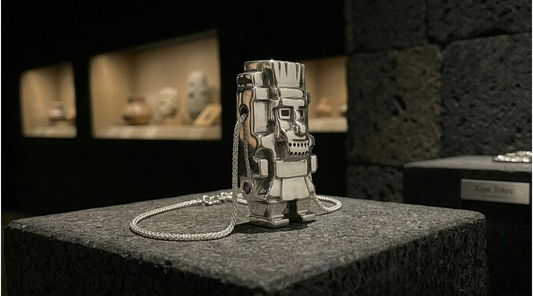
The Tlaloc Monolith Pendant


€555,00
Water is God
The Monolith of Tlaloc Pendant represents the element of water, rain, fertility, storm power, and dependence on the inevitability of life. Tlaloc is the force that decides whether the field lives or dies, whether the harvest returns, and whether human planning survives contact with the sky. Tlaloc acts upon us, or with us.
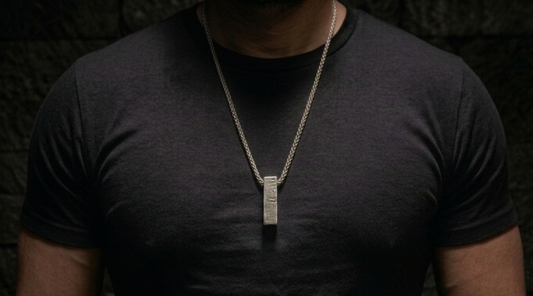
As a pendant, it becomes a symbol of elemental respect, abundance, and humility before forces larger than the self. It speaks to the part of us that still understands serendipity, chance, action, risk, and return. The form reminds the wearer that strength is not only domination. Sometimes strength is knowing what you depend on and honoring the power that makes life possible.
As a pendant, it becomes a symbol of elemental respect, abundance, and humility before forces larger than the self. It speaks to the part of us that still understands serendipity, chance, action, risk, and return. The form reminds the wearer that strength is not only domination. Sometimes strength is knowing what you depend on and honoring the power that makes life possible.
Handcast in Mexico City · Ships worldwide
Specifications
Title
The Tlaloc Monolith Pendant
Material
Sterling Silver .925
Finish
Silver
Stones
Blue Sapphire
Weight
35 g
Dimensions (HxWxD)
4.2x2.2x0.7 cm
Origin
Coatlinchan / Mexico City, Mexico. 19.4354° N, 99.1376° W
✦
Any text, any piece. Precision-cut into solid metal — coordinates, initials, a date, a message. No matter how small, we'll get it there.
Enquire about engraving →
The record
The Sky Provides.
In the ancient world, rain was not weather. It was fate.
Before satelites and phones told us what to wear the sky decided whether people ate. A dry season could mean hunger. A storm could mean salvation. Water was not background. It was the difference between collapse and continuation.
That is the world Tlaloc belongs to.
Across ancient Mesoamerica, the rain god was one of the most important and feared forces in the ritual imagination. Tlaloc was linked with rain, lightning, mountains, caves, fertility, agriculture, and the dangerous abundance of water. He could bring maize from the earth or destroy fields with storm and flood. Like many ancient powers, he was not merely good or evil. He was necessary.
The 168-ton monument that inspired this pendant is traditionally identified as the Aztec god Tlaloc and is one of the world's most memorable stone figures. Its exact identity has been debated, but its power is obvious: a massive carved presence associated with water, earth, and ritual force. When it was moved from Coatlinchan to Mexico City in the 1960s, it's said that a sudden storm hit and rain fell heavily during its arrival. Whether to be read as coincidence, omen, or a blessing from a god of water.
This piece is not a replica of a museum object. It is a condensed monolith. Like the original, it's appearance attacked or unfinished. The form is reduced, solidified, and cast in silver to carry the feeling of the original: heavy, ancient, weathered, and alive with elemental authority.
The Monolith of Tlaloc Pendant is about the oldest dependency humans have: dependence on forces we cannot command. Rain, season, soil, timing, fertility, hunger, harvest. Modern life pretends we have escaped them. We have not. We have only added layers between ourselves and the sky.
This pendant is cast from an original sculptural interpretation of the Monolith of Tlaloc in front of the National Museum of Anthropology and finished by hand in Mexico City.
Before satelites and phones told us what to wear the sky decided whether people ate. A dry season could mean hunger. A storm could mean salvation. Water was not background. It was the difference between collapse and continuation.
That is the world Tlaloc belongs to.
Across ancient Mesoamerica, the rain god was one of the most important and feared forces in the ritual imagination. Tlaloc was linked with rain, lightning, mountains, caves, fertility, agriculture, and the dangerous abundance of water. He could bring maize from the earth or destroy fields with storm and flood. Like many ancient powers, he was not merely good or evil. He was necessary.
The 168-ton monument that inspired this pendant is traditionally identified as the Aztec god Tlaloc and is one of the world's most memorable stone figures. Its exact identity has been debated, but its power is obvious: a massive carved presence associated with water, earth, and ritual force. When it was moved from Coatlinchan to Mexico City in the 1960s, it's said that a sudden storm hit and rain fell heavily during its arrival. Whether to be read as coincidence, omen, or a blessing from a god of water.
This piece is not a replica of a museum object. It is a condensed monolith. Like the original, it's appearance attacked or unfinished. The form is reduced, solidified, and cast in silver to carry the feeling of the original: heavy, ancient, weathered, and alive with elemental authority.
The Monolith of Tlaloc Pendant is about the oldest dependency humans have: dependence on forces we cannot command. Rain, season, soil, timing, fertility, hunger, harvest. Modern life pretends we have escaped them. We have not. We have only added layers between ourselves and the sky.
This pendant is cast from an original sculptural interpretation of the Monolith of Tlaloc in front of the National Museum of Anthropology and finished by hand in Mexico City.
Craft
Cast and hand-finished in Mexico City. 3D modelled from archaeological reference, printed, moulded, cast in wax, perfected by hand, then cast in solid precious metal. No two pieces are identical.
-
The Tlaloc Monolith Pendant
Regular price From €555,00 EURRegular priceUnit price per -
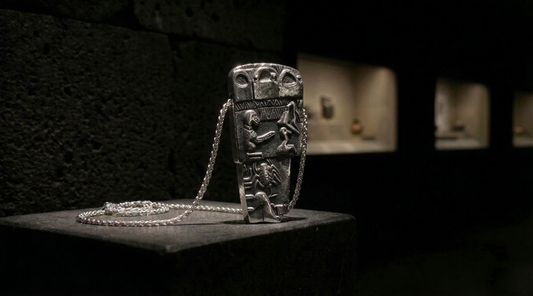
The Göbekli Tepe Pillar 43 Pendant
Regular price From €555,00 EURRegular priceUnit price per -
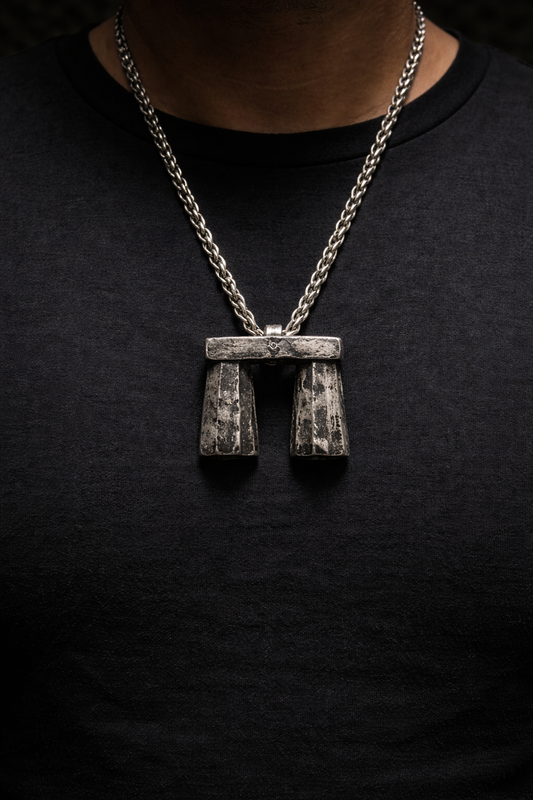
The Stonehenge Trilithon Pendant
Regular price From €555,00 EURRegular priceUnit price per -
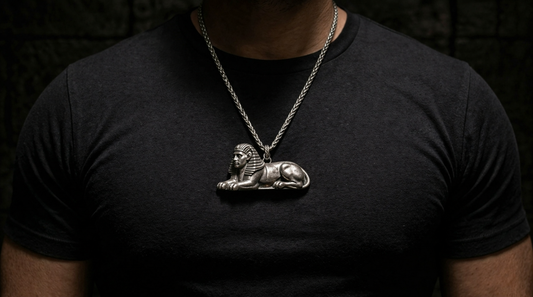
The Eroded Sphinx Pendant
Regular price From €333,00 EURRegular priceUnit price per -
The Great Sphinx Pendant
Regular price From €333,00 EURRegular priceUnit price per -
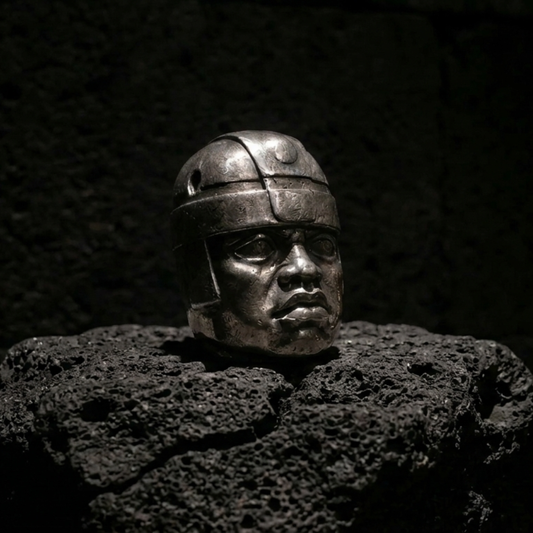
The Giant Olmec Head Pendant
Regular price From €777,00 EURRegular priceUnit price per -
The Pregnant Woman Pendant
Regular price €420,00 EURRegular priceUnit price per -
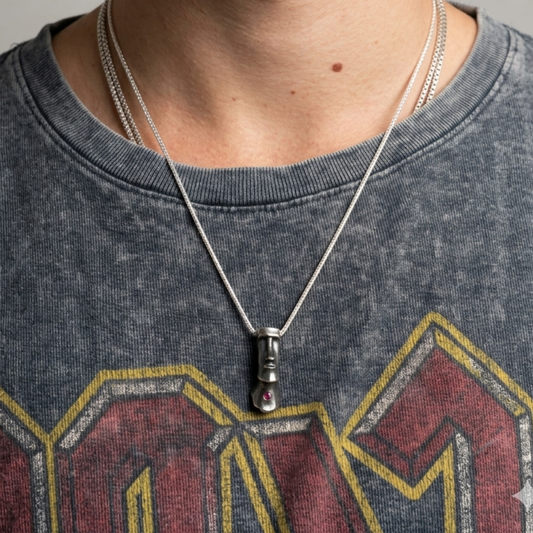
The Moai Head Pendant
Regular price From €333,00 EURRegular priceUnit price per








Silver Chains
-
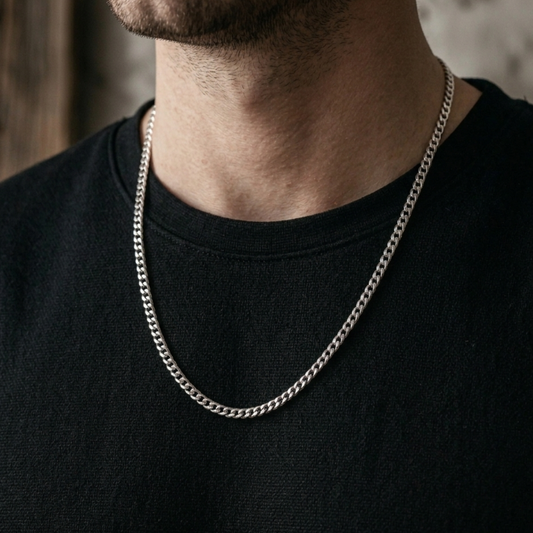
Cuban Chain Silver Necklace .925
Regular price From €99,00 EURRegular priceUnit price per€90,00 EURSale price From €99,00 EUR -
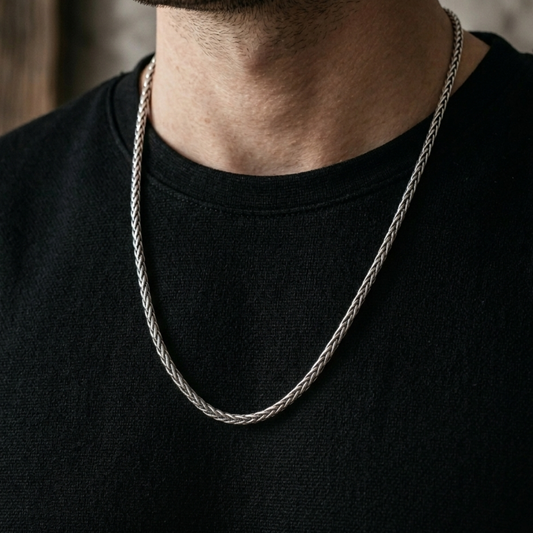
Spiga Chain Silver Necklace .925
Regular price From €169,00 EURRegular priceUnit price per€90,00 EURSale price From €169,00 EUR -
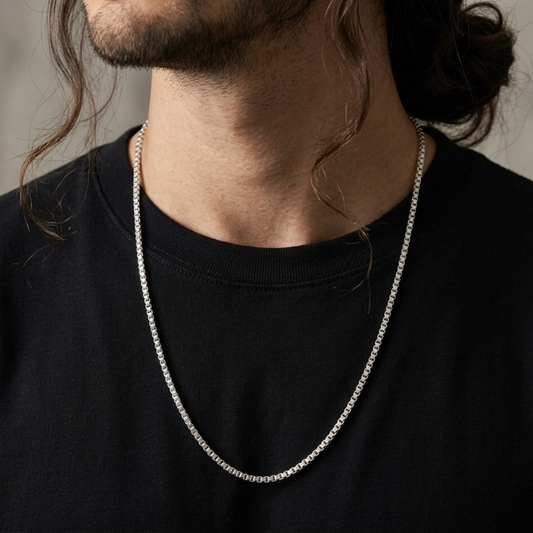
Box Chain Silver Necklace .925
Regular price From €119,00 EURRegular priceUnit price per€90,00 EURSale price From €119,00 EUR